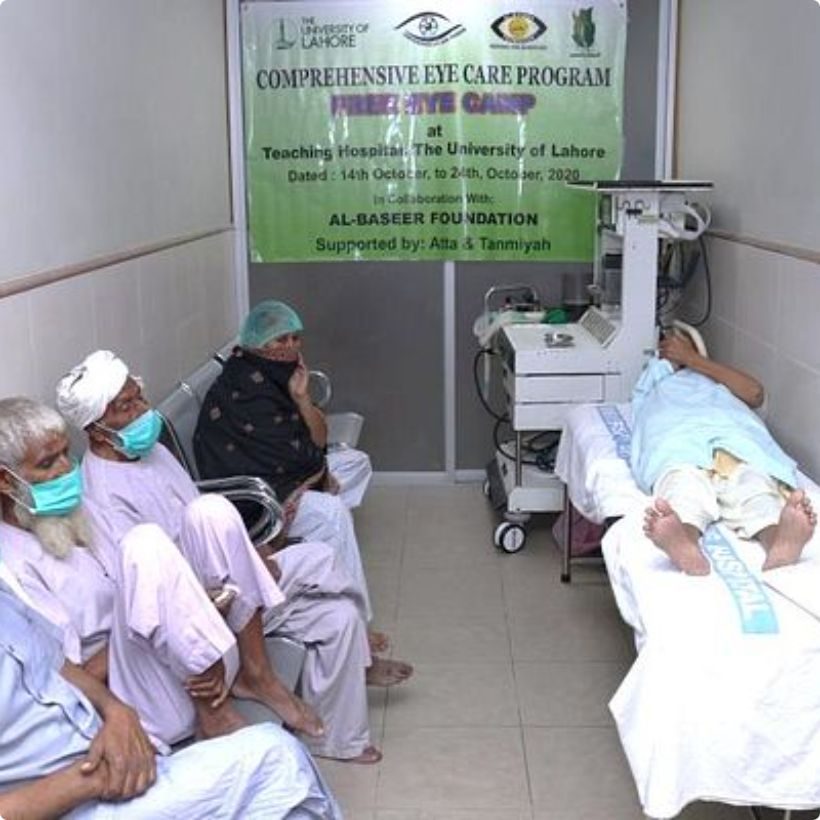
A collaborative model between The University of Lahore and Al-Baseer Foundation for accessible and inclusive eye care — from hospital to village camps to Africa.
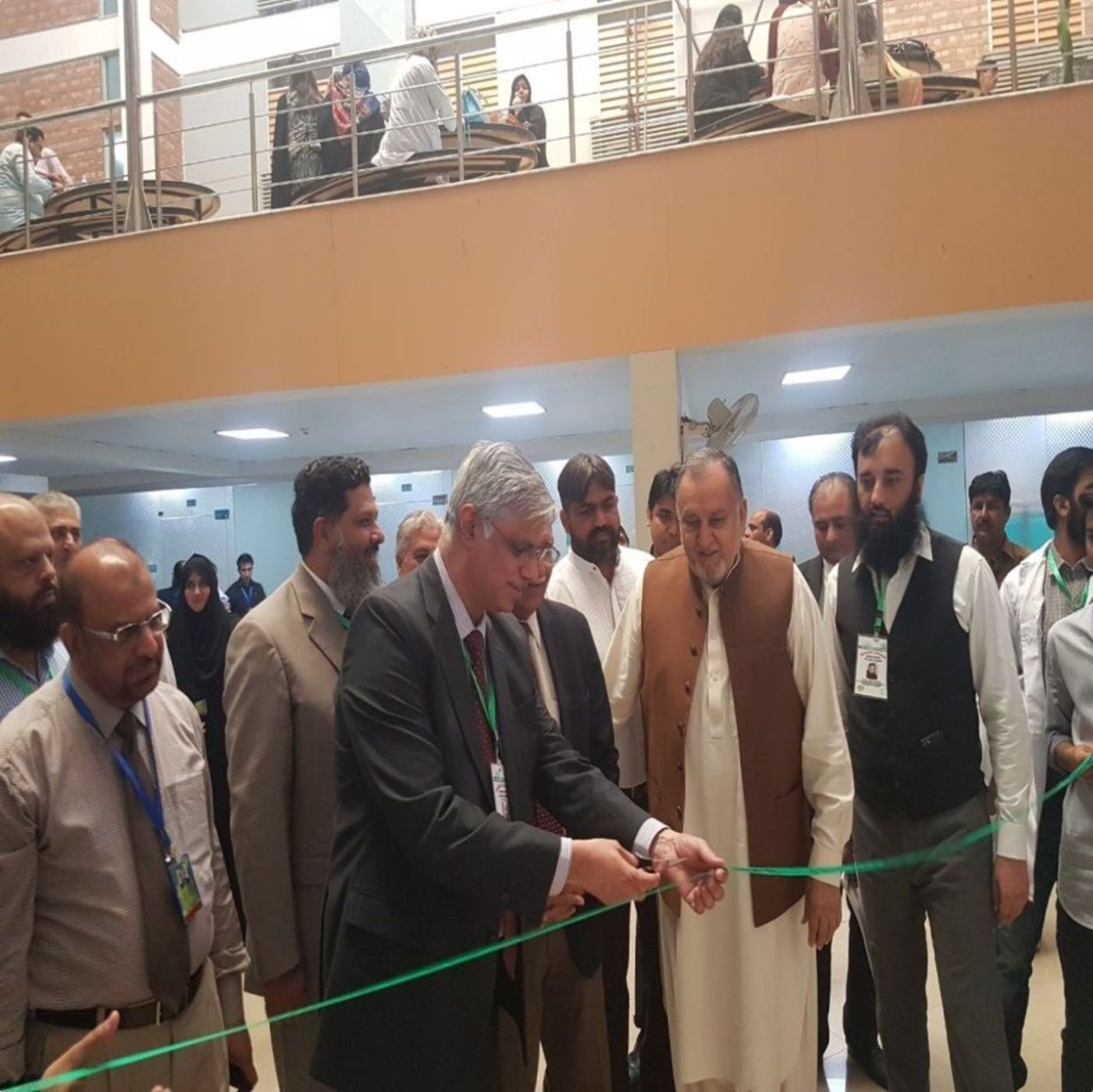
The Comprehensive Eye Care Program began in 2017 when it was inaugurated at The University of Lahore, Lahore. It was launched by the National Coordinator, Prof. Asad Aslam, and the Patron-in-Chief of UOL, Mr. M.A. Rauf (Late).
CECP delivers promotion, prevention, treatment and rehabilitation services, and keeps upgrading its infrastructure, technology, human resource development and service delivery toward a center of excellence. It links community screening, outreach camps and hospital care so that patients are found early, referred in time and followed up.

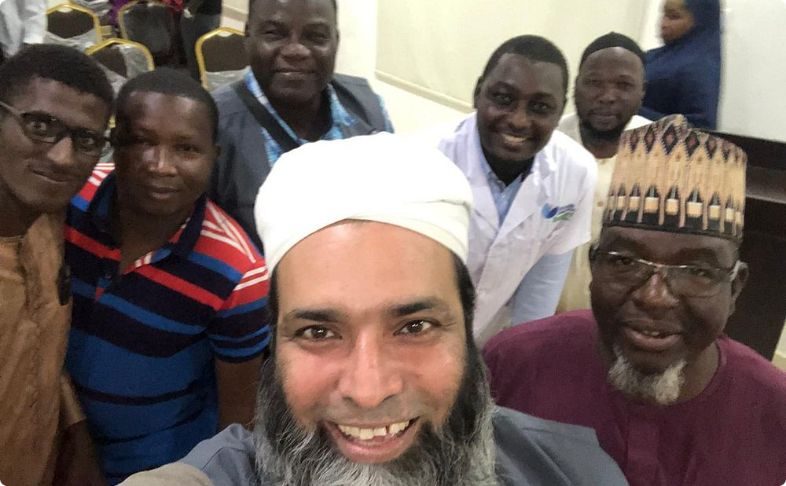
CECP took its work to the global stage at the IAPB World Congress in Kenya, meeting leaders in eye health and forging partnerships that strengthen the mission — then went straight on to deliver care in Uganda.
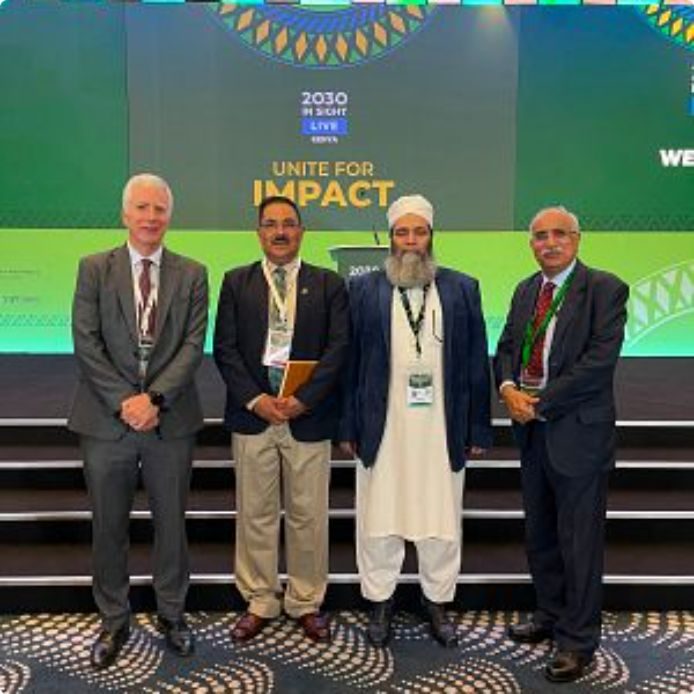
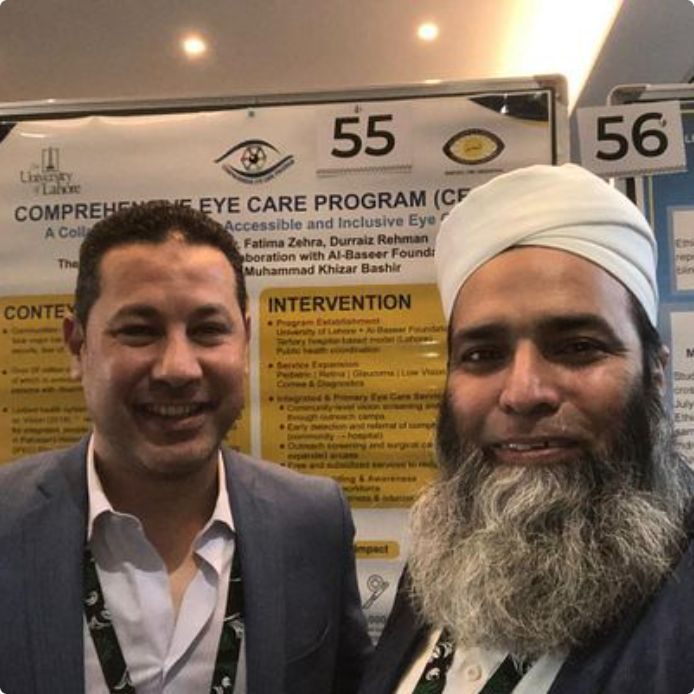
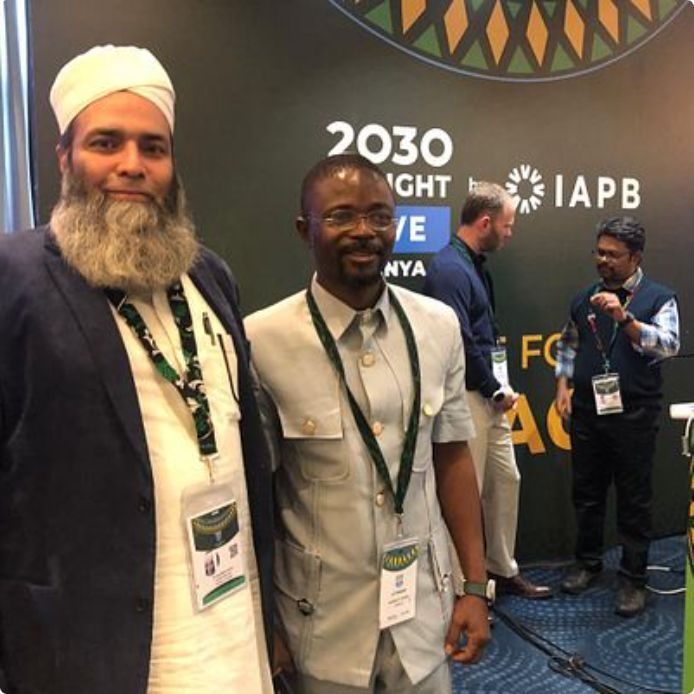
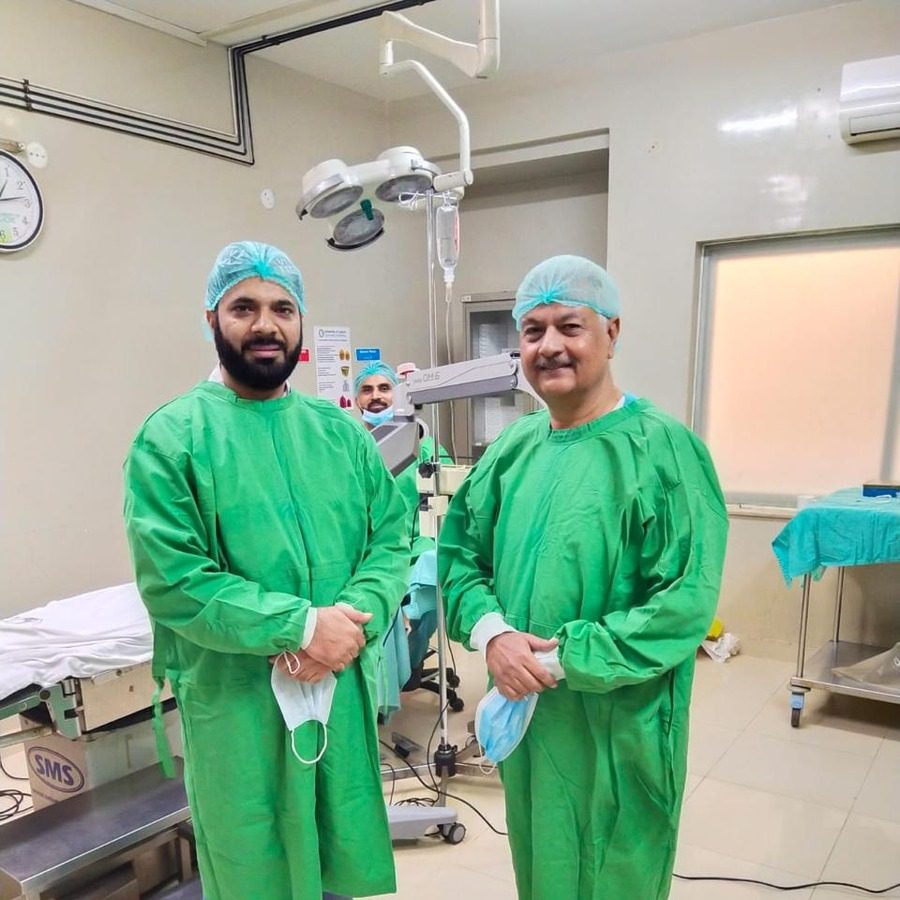
CECP was represented at the prestigious IAPB World Congress in Kenya. Dr. Khizar Bashir is pictured with IAPB President Peter Holland and colleagues, connecting with global leaders in eye health.
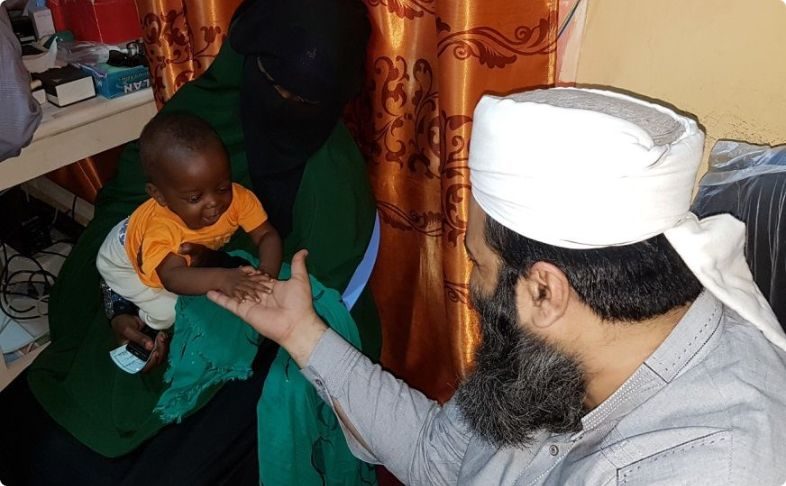
Held immediately after the conference, the team extended its outreach to Uganda, delivering free eye care and sight-restoring surgery to an underserved community.
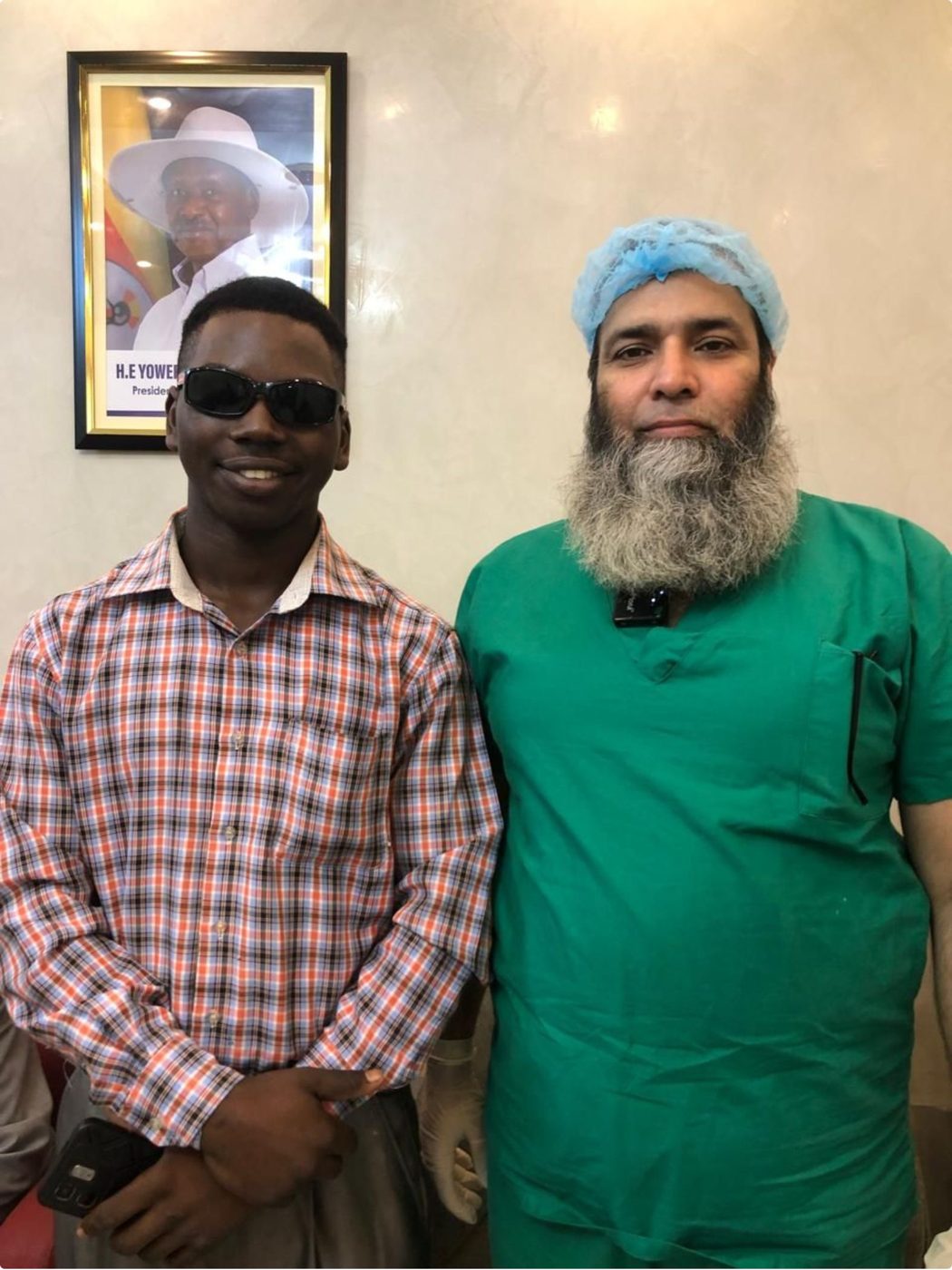
Sight-restoring surgeries for people with treatable blindness, consultations for thousands, and spectacles for every patient who needed refractive correction — all in one camp.
Figures from the CECP progress report (updated September 2026).
University of Lahore Hospital, 2017–2025.
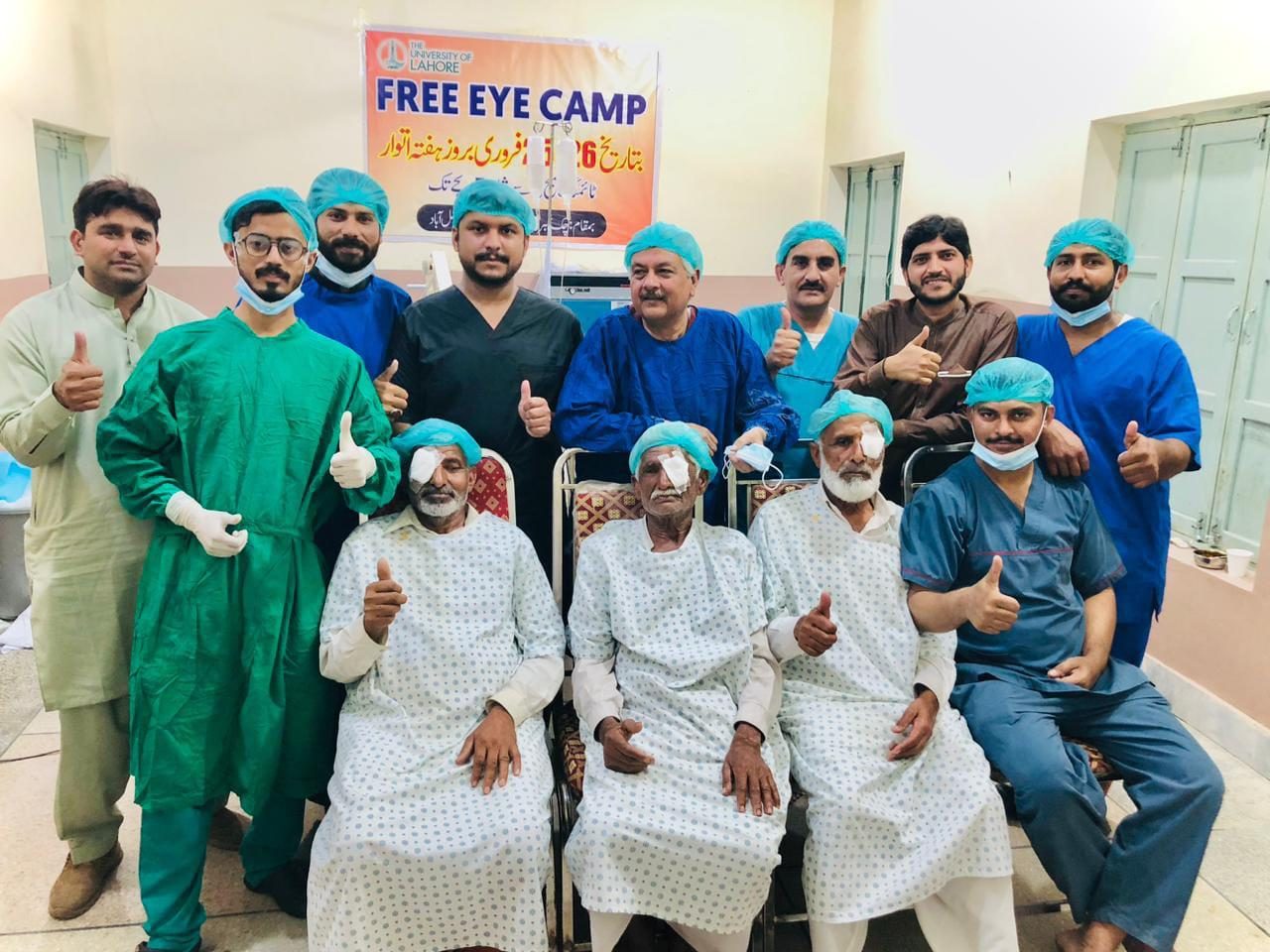
Outreach surgical camps across Pakistan, 2020–2026.
Africa and fragile settings, 2018–2026, including Uganda.
In 2020, an estimated 26 million people in Pakistan were living with vision loss, including about 1.8 million who were blind — and about 53% were women. Nearly 80% of vision impairment is avoidable.
Communities in low-resource urban and rural areas face major barriers to eye care: cost, distance, lack of escorts, fear of surgery and limited quality services. Limited health-system coordination, noted in the WHO World Report on Vision (2019), restricts fair access, and Pakistan’s National Integrated People-Centered Eye Care (IPEC) Plan 2020–2025 calls for stronger primary care, referral systems and cross-sector collaboration.
CECP is a collaborative model built to close exactly these gaps.
Raise awareness and deliver preventive eye care services across communities.
Provide comprehensive treatment and rehabilitation to underserved populations.
Develop infrastructure, technology and human resources to achieve center-of-excellence status.
The University of Lahore and Al-Baseer Foundation run a tertiary hospital-based model in Lahore, with public health coordination.
Pediatric, retina, glaucoma, low vision, and cornea and diagnostics services.
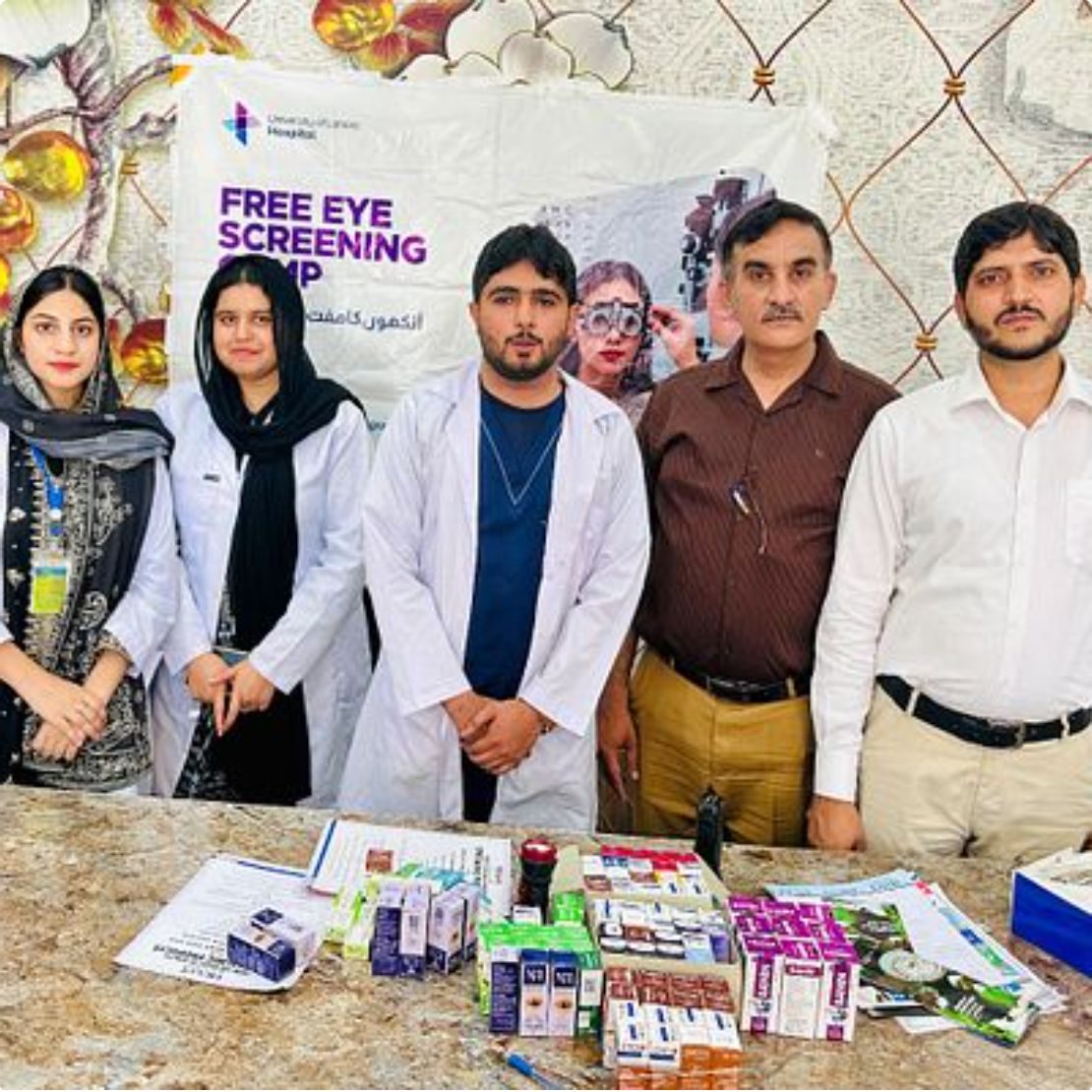
Community-level vision screening and basic eye care through outreach camps; early detection and referral of complex cases from community to hospital; outreach screening and surgical camps; free and subsidised services to reduce financial barriers.
Training the health workforce, and community awareness and education.
Hospital care and surgery at the University of Lahore Hospital, with outreach and training of the eye care workforce.
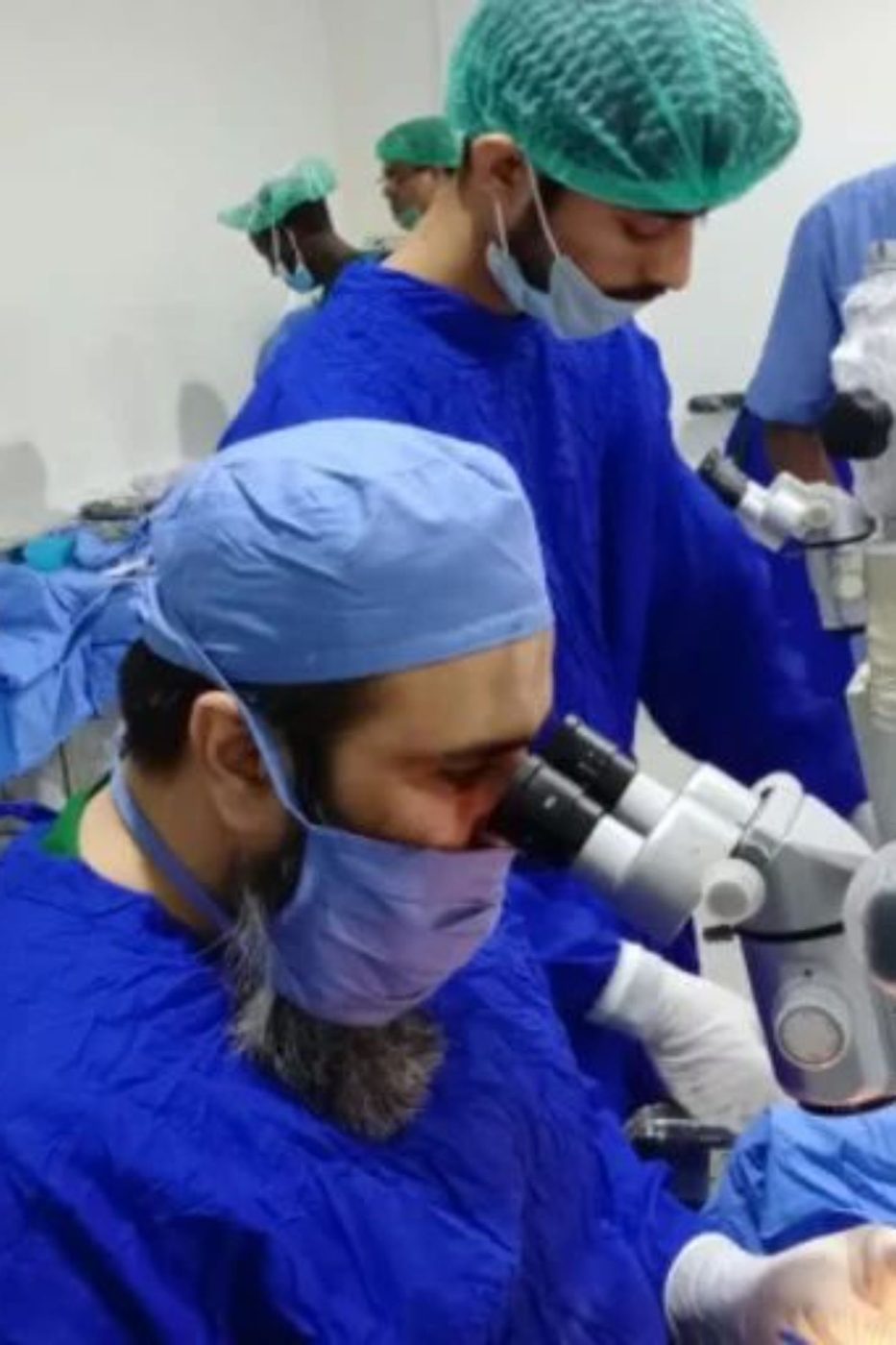
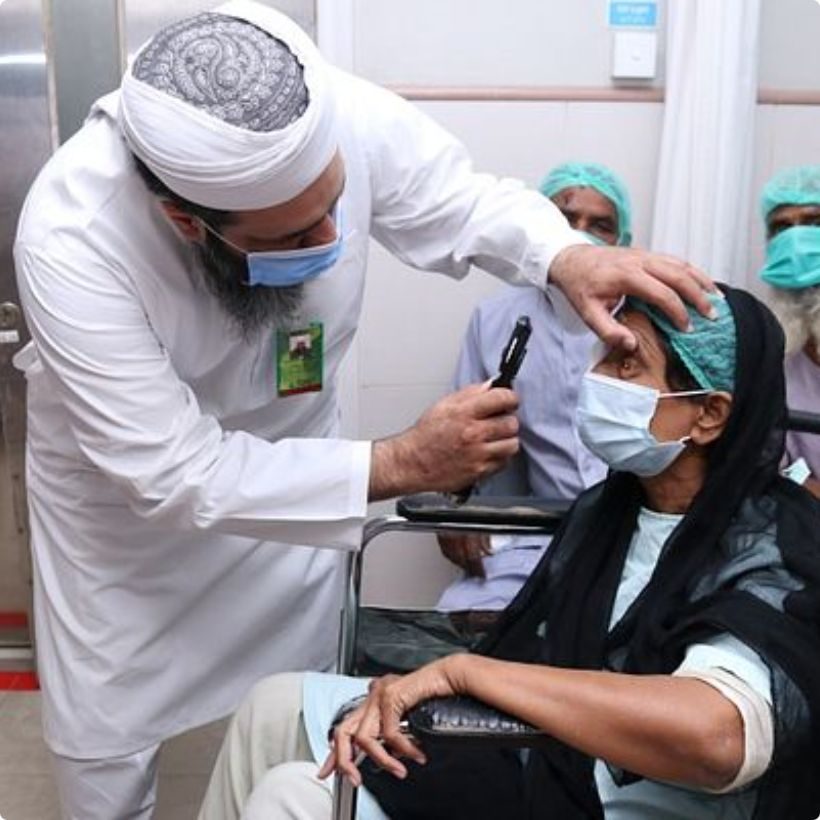
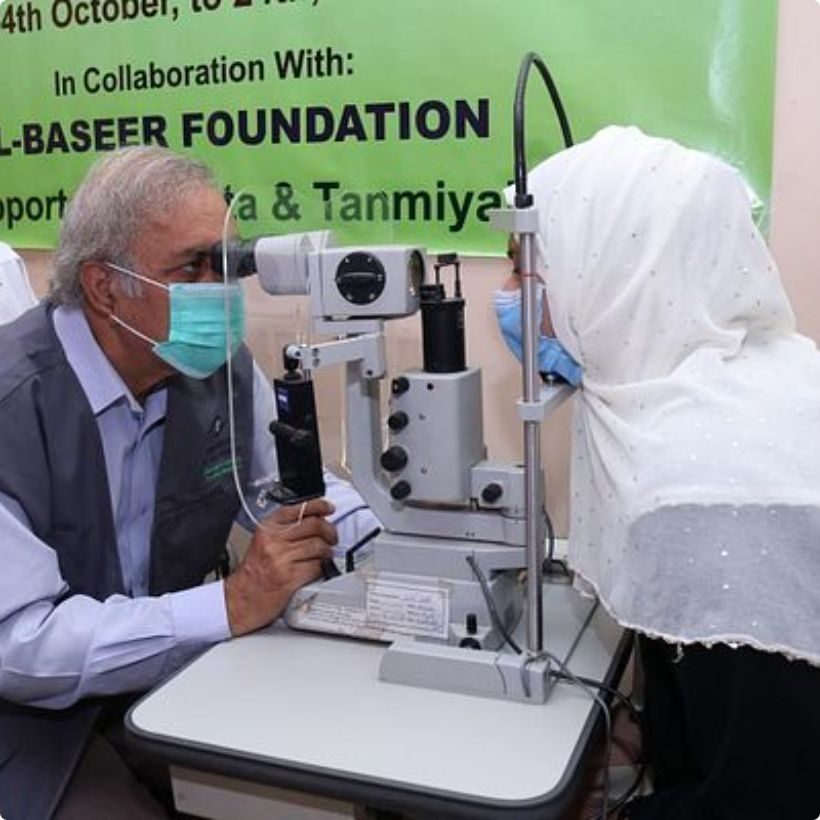
Outreach camps across Pakistan, 2020–2026.
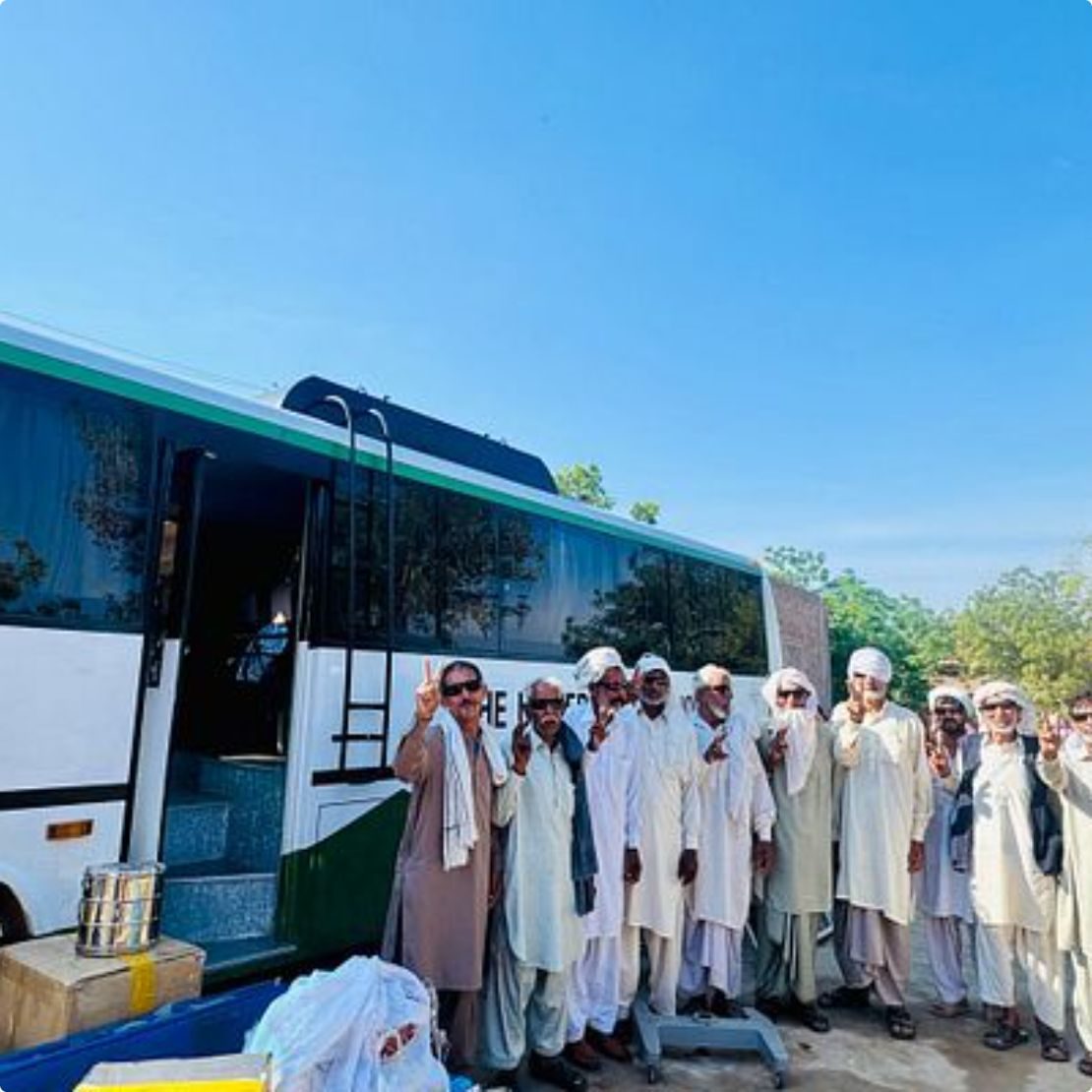
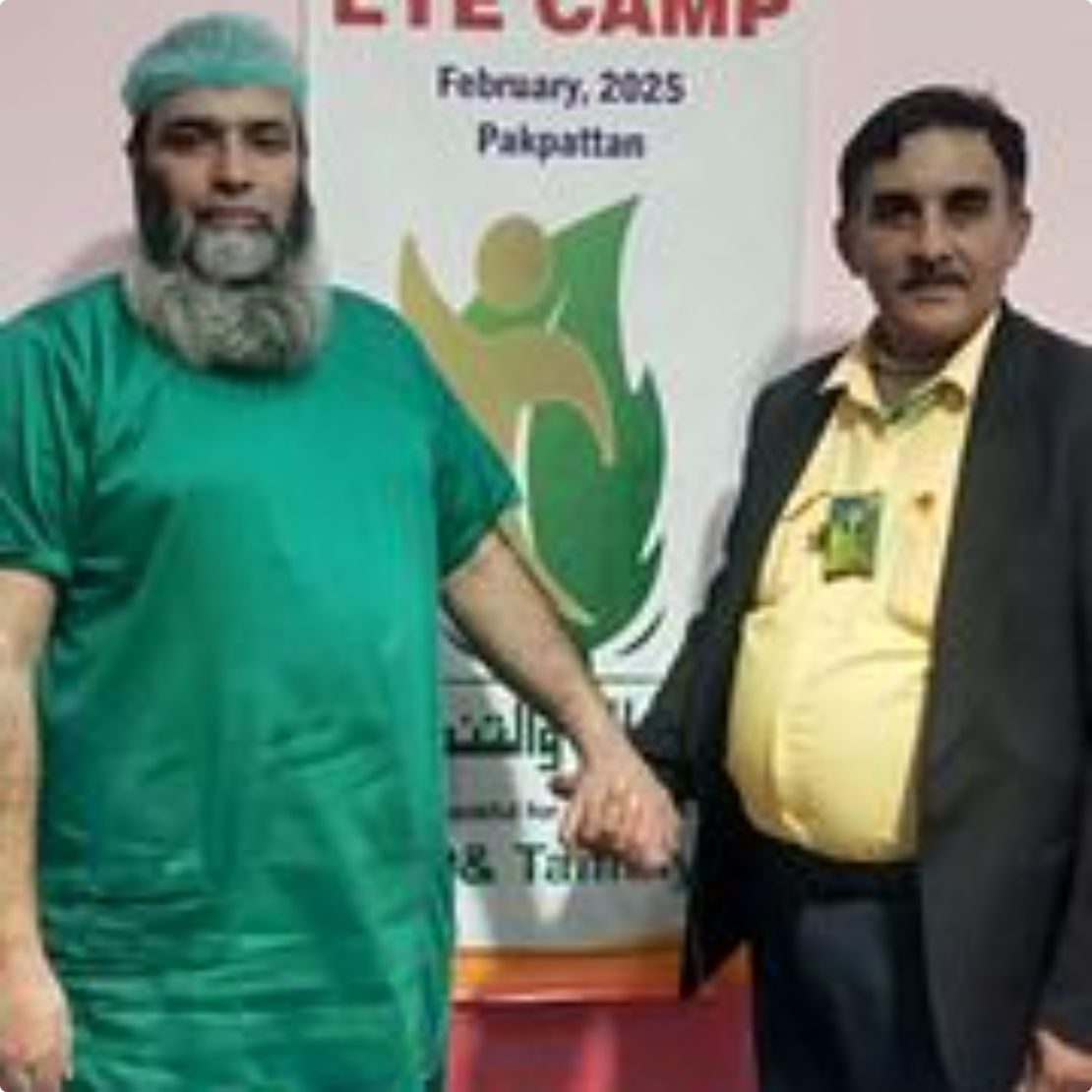
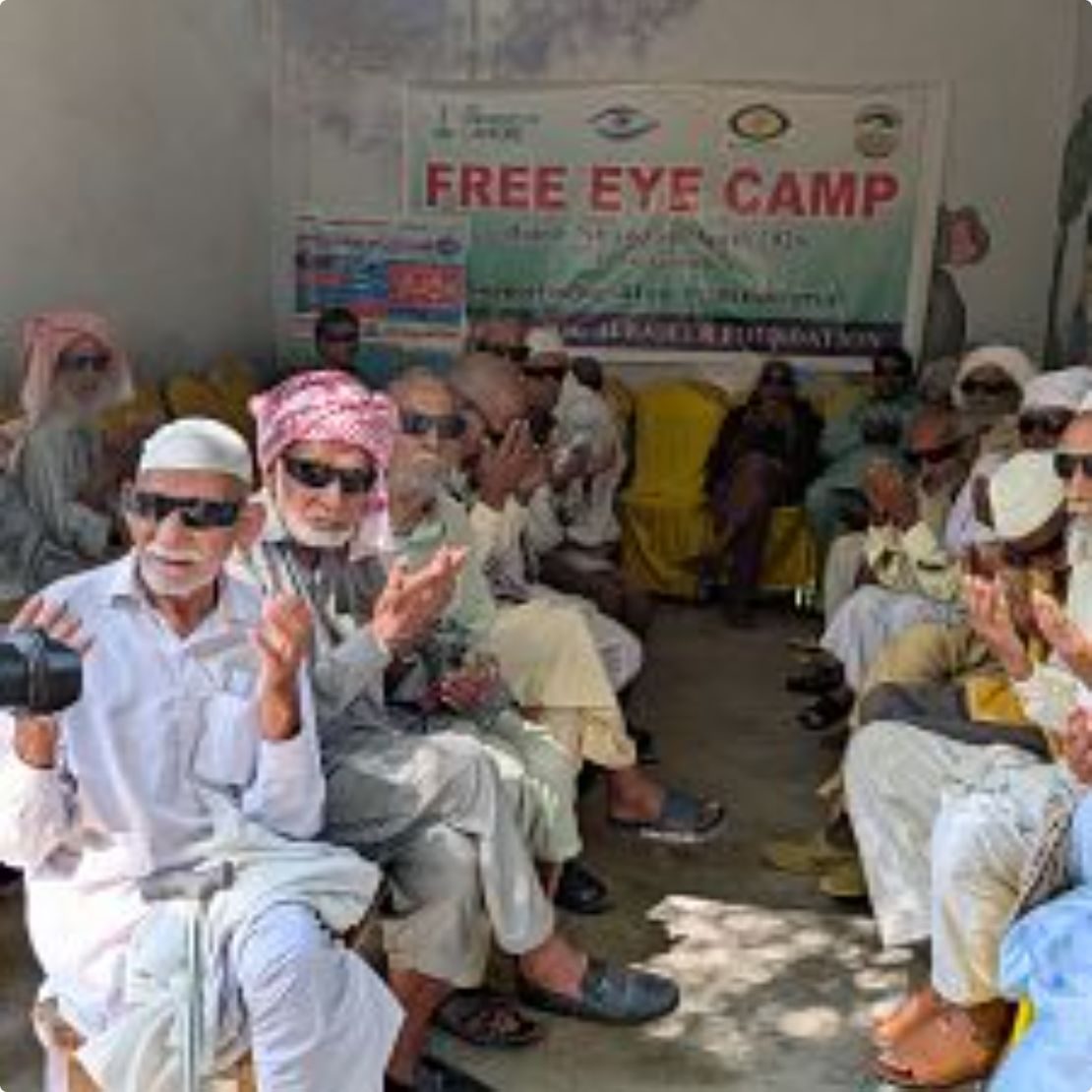
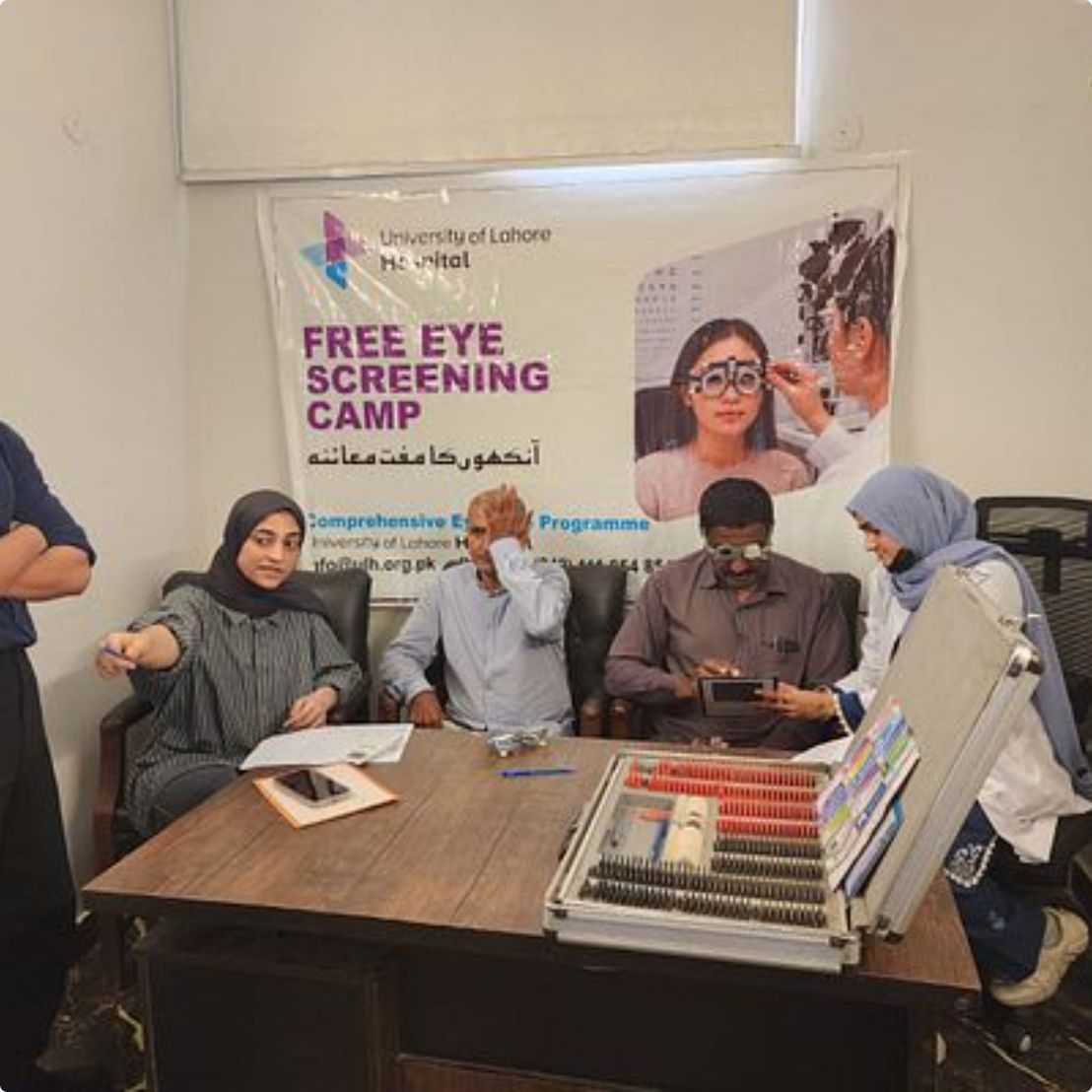
Across 9 international missions in Africa and fragile settings, the CECP team delivered life-changing eye care to communities with little or no access to ophthalmic services.
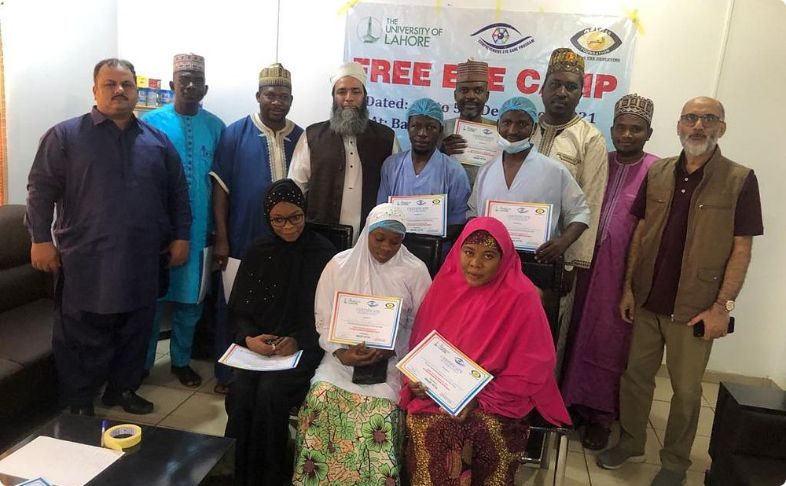
Vision for Education Foundation (V4E) & UOL Hospital. Al-Baseer Foundation and UOL Hospital signed an MoU with V4E Foundation for the regular supply of corneal grafts, strengthening the CECP cornea service line for patients with corneal blindness.
The University of Lahore & V4E. A plan to screen about 150,000 schoolchildren in public and private schools across Punjab and beyond over three years.
Eye Specialist, Comprehensive Eye Care Program
In recognition of decades of service safeguarding sight, mentoring the next generation of eye-care professionals, and inspiring the CECP mission.
Ensure services are comprehensively inclusive, starting with secondary-level services: a Retina Clinic, a Pediatric Clinic and basic rehabilitation.
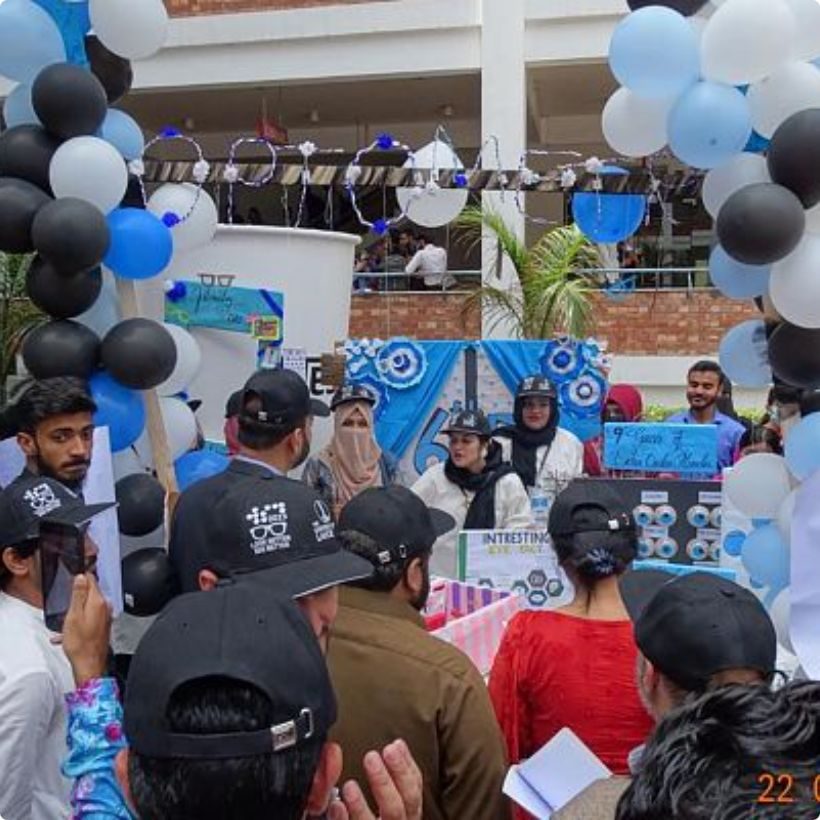
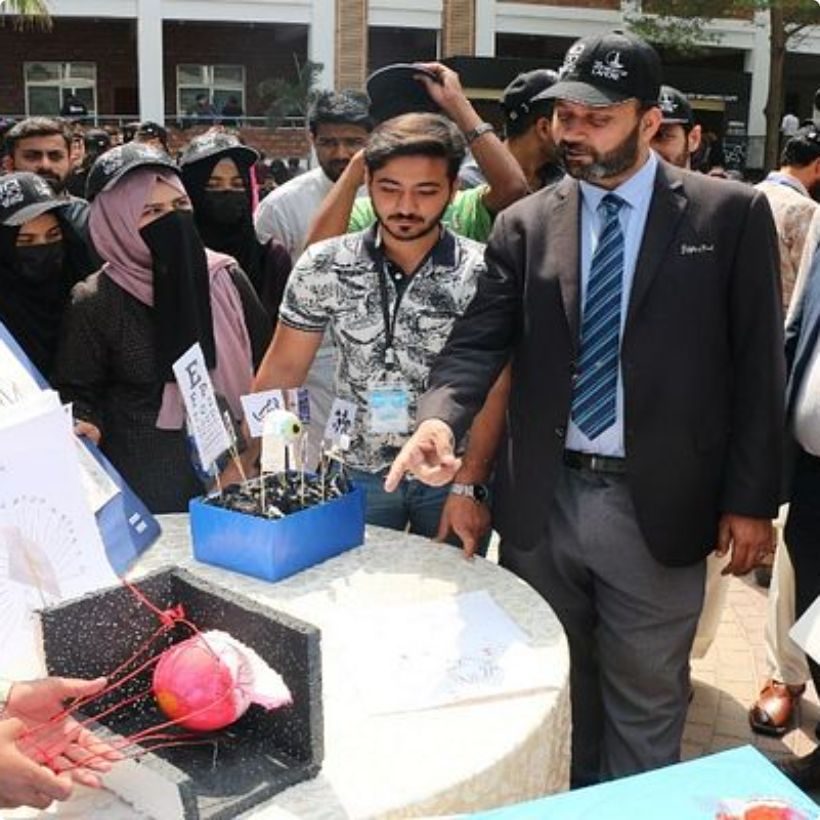
School screening program, industrial eye screening, community screening, and promotion and awareness.
Resource development, research and communication.
An integrated software/database, a dedicated MIS resource, monitoring and evaluation of outcomes, and quarterly reporting to donors.